Tell us about the job
Takes about a minute. No obligation.
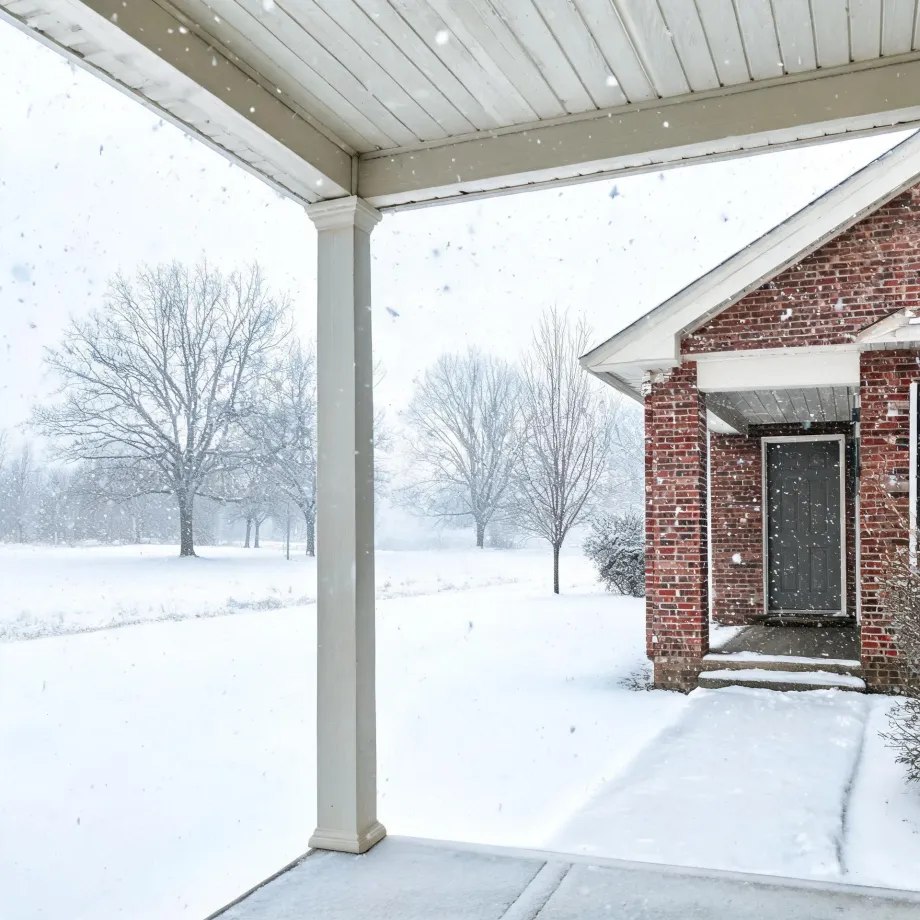
The burner assembly and heat exchanger on a furnace in this area cycle hard every year. Homes in Plymouth County, MA run heat about eight months a year, from October through May. A contractor coming out to diagnose a repair checks those parts first, because fatigue cracks in a heat exchanger and wear on an ignition system show up in proportion to how much the burner has fired. Flue seals and pressure switches carry the same history. A furnace that starts the season with a marginal part fails at the coldest point, which is also when every other homeowner in the county calls.
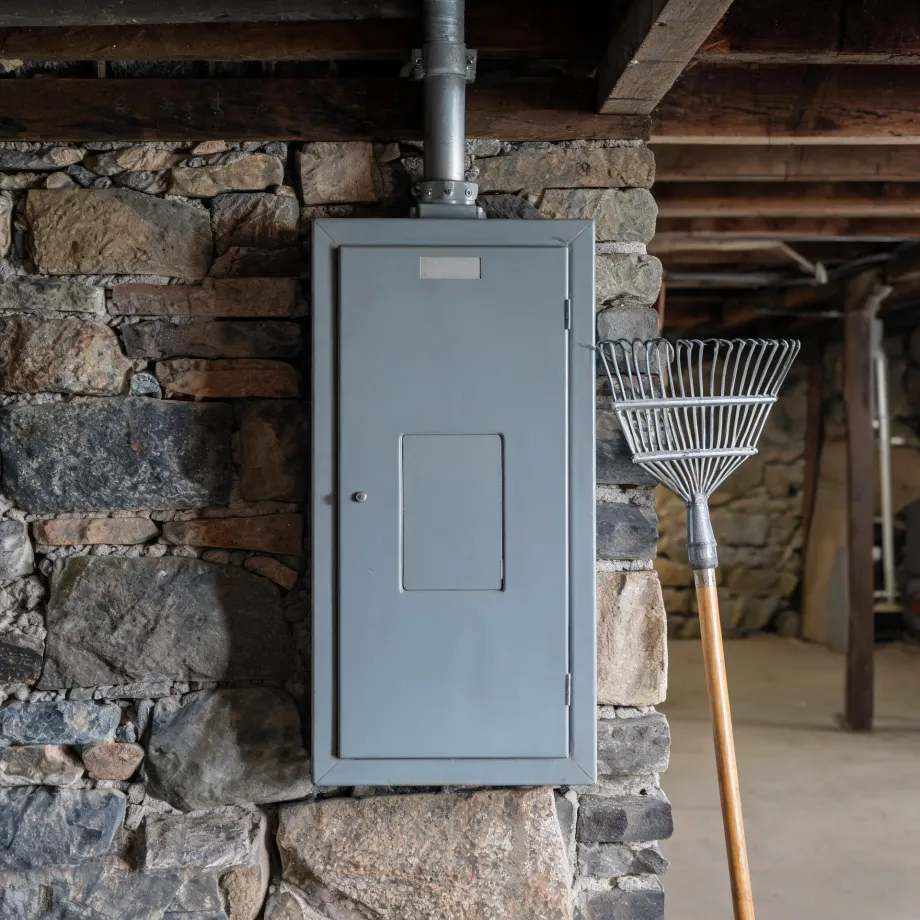
Much of the housing here was built around heat delivery systems that no longer exist in those houses. Half the homes in Plymouth County, Massachusetts were built in 1971 or earlier (2020-2024 ACS 5-year). A furnace dropped into ductwork sized and routed for something else puts real constraints on what a repair contractor finds once the cabinet is open: plenum connections, flue routing, and distribution runs that were adapted rather than designed for the current equipment. When a part fails, whether it is still made often depends on how that original retrofit was specced, not on the furnace brand on the door.
The Parts of a Furnace a Contractor Checks First
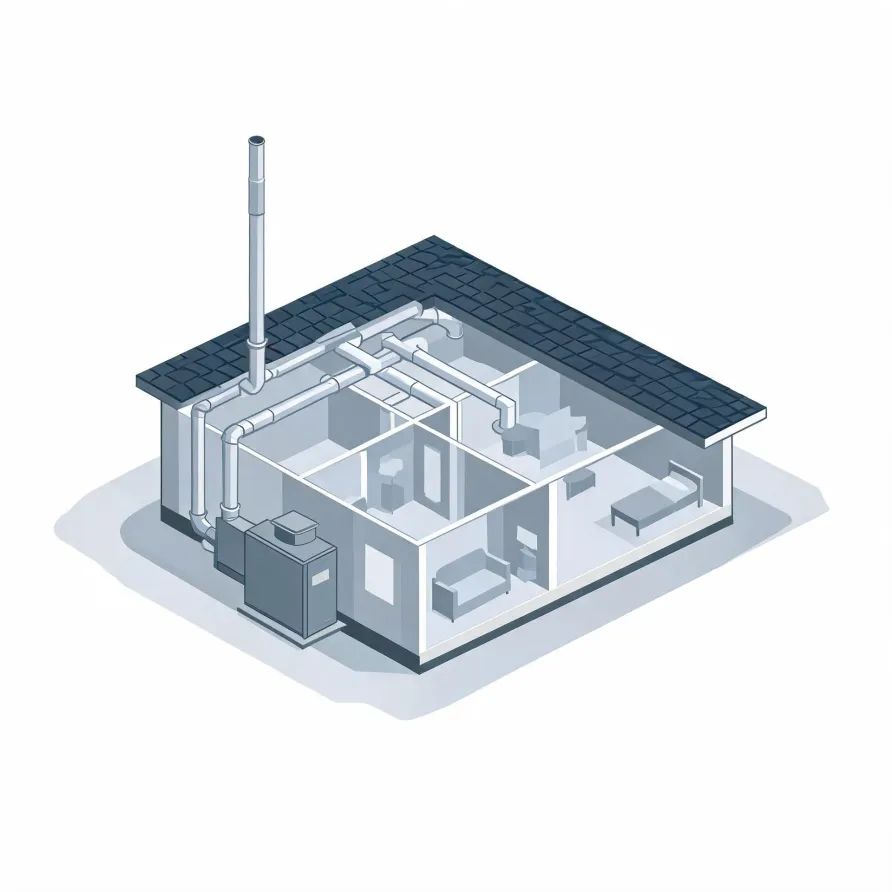
The furnace itself sits in the basement, utility room, or closet and is the piece a contractor goes to first. Inside it, the heat exchanger and burner assembly are where most failures show up. A cracked heat exchanger, a failed ignitor, or a dirty flame sensor will each shut the system down in a different way.
The blower motor moves conditioned air from the furnace into the duct system and pulls return air back. The flue or venting runs from the furnace to the outside and carries combustion gases out of the house. A contractor also checks the control board, which coordinates every other component and is often the source of faults that look like something else.
The drawing shows a typical layout, and a licensed contractor determines which parts apply and what needs attention in your specific home.
Get matched in Plymouth CountyPlymouth County, by the numbers
449 severe weather events were recorded in Plymouth County, Massachusetts between 2015 and 2024.
NOAA National Centers for Environmental Information, Storm Events Database, bulk CSV export, events 2015-01-01 through 2024-12-31.Half the homes in Plymouth County, Massachusetts were built in 1971 or earlier (2020-2024 ACS 5-year).
U.S. Census Bureau, 2020-2024 American Community Survey 5-Year EstimatesPlymouth County, Massachusetts holds 218,096 housing units (2020-2024 ACS 5-year).
U.S. Census Bureau, 2020-2024 American Community Survey 5-Year EstimatesOwners occupy 77.6% of the occupied homes in Plymouth County, Massachusetts (2020-2024 ACS 5-year).
U.S. Census Bureau, 2020-2024 American Community Survey 5-Year EstimatesCodes & Standards Governing Furnace Repair in Plymouth County, Massachusetts5 sourced rules and standards
What HVAC Repair Looks Like in Plymouth County
Non-weatherized gas furnaces manufactured on or after November 19, 2015 must reach 80.0 percent AFUE.
Non-weatherized oil-fired furnaces manufactured on or after November 19, 2015 must reach 83.0 percent AFUE.
Mobile home gas furnaces manufactured on or after November 19, 2015 must reach 80.0 percent AFUE.
Non-weatherized gas furnaces manufactured on or after December 18, 2028 must reach 95.0 percent AFUE, up from the 80.0 percent minimum that applies to units manufactured before that date.
Licensing and Legal Requirements in Plymouth County, Massachusetts
Massachusetts requires a state licence to work as a refrigeration technician, and to work as a pipefitter or sprinkler fitter.
Severe Weather Events in Plymouth County
Heating equipment in Plymouth County works against whatever the climate puts out, and stress from severe weather shortens the life of components and surfaces problems that would otherwise stay hidden. Furnace repair here is shaped by local conditions, not just age or use.
449 severe weather events, 2015–2024. Source: NOAA National Centers for Environmental Information, Storm Events Database.