Tell us about the job
Takes about a minute. No obligation.
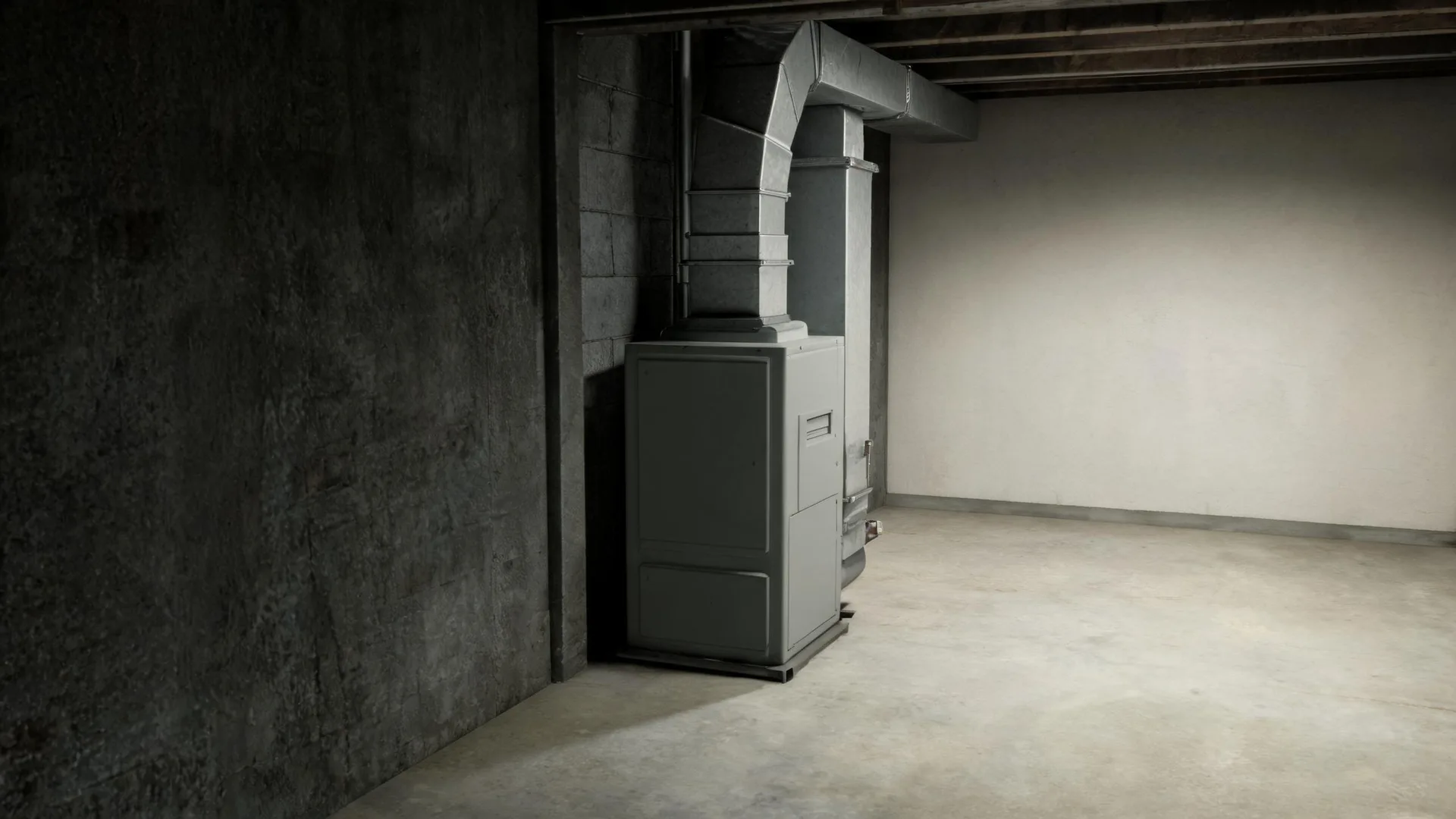
The burner, heat exchanger, and ignition system on a Suffolk County furnace cycle hard and rest briefly. Homes in Suffolk County, MA run heat about eight months a year, from October through May. That load adds up across the heat exchanger welds and the igniter contacts faster than homeowners expect. A contractor called out for a furnace repair here checks combustion components first, because those are the parts that have been absorbing the work, and cracks or fouling there change both the scope and the safety picture of the job.
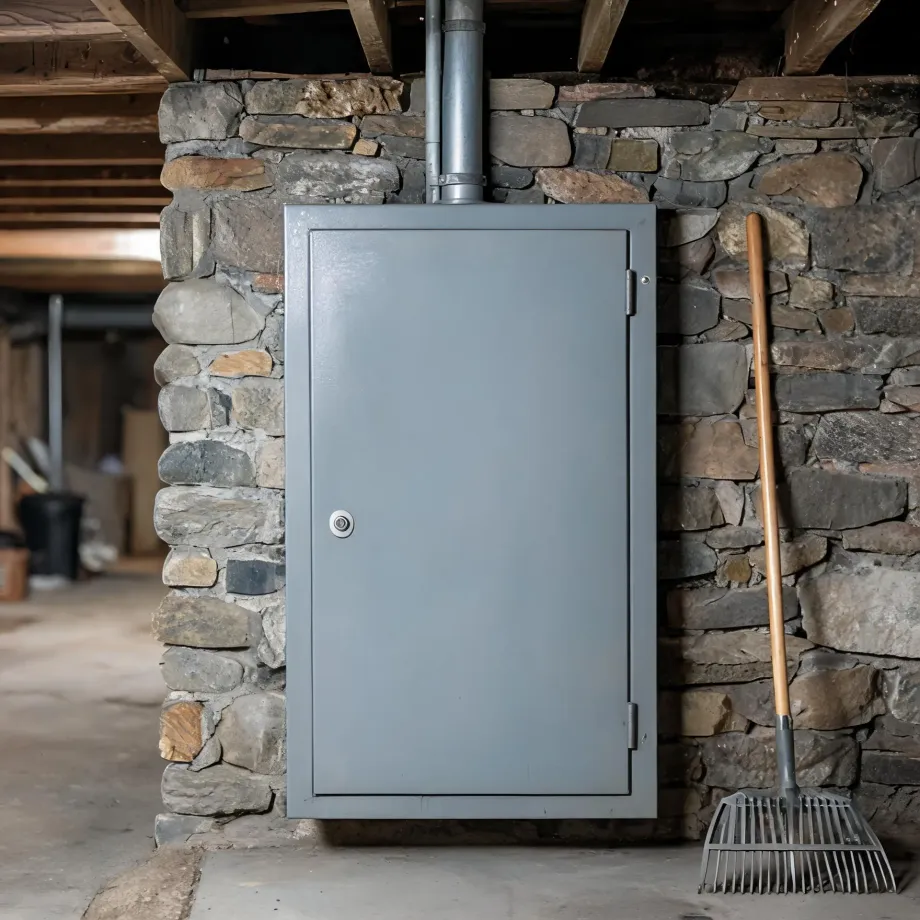
Furnace repair in a house that has already outlasted several heating systems depends less on the age of the address than on what the contractor finds inside the cabinet. Half the homes in Suffolk County, Massachusetts were built in 1949 or earlier (2020-2024 ACS 5-year). A furnace running in stock like this may be the second or third unit in that basement, and the parts it takes are specific to that particular box, not to the era of the house. Worn heat exchangers, cracked burners, failed igniters: the contractor prices what is actually in front of them once the cabinet is open, and whether replacement parts are still in production for that model is the question that shapes the repair more than anything the house itself can answer.
The Parts of a Furnace a Contractor Checks First
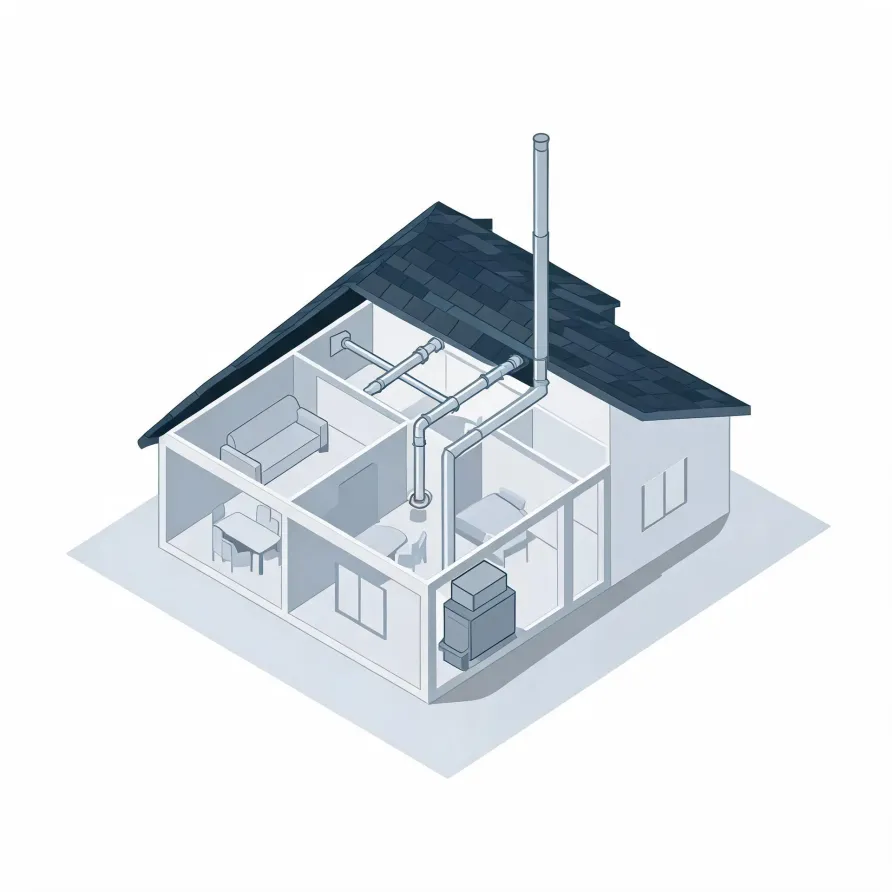
The furnace itself sits in the basement, utility room, or closet and is where heat gets made. Inside it, the heat exchanger is the piece a contractor looks at closely: cracks or corrosion there let combustion gases into the air supply. The burners, which sit just below the exchanger, are another early stop, since dirty or misfiring burners are a common source of heating failure.
The blower motor sits at the base of the furnace cabinet and pushes conditioned air into the supply side of the duct system. Near it, the control board runs the sequence of operation for every component, and a fault there can cause symptoms that look like problems elsewhere. The flue pipe exits the cabinet and runs to the outside, carrying combustion gases out.
The drawing shows a typical furnace layout, and a licensed contractor determines which components need attention in your specific home.
Get matched in Suffolk CountySuffolk County, by the numbers
172 severe weather events were recorded in Suffolk County, Massachusetts between 2015 and 2024.
NOAA National Centers for Environmental Information, Storm Events Database, bulk CSV export, events 2015-01-01 through 2024-12-31.Half the homes in Suffolk County, Massachusetts were built in 1949 or earlier (2020-2024 ACS 5-year).
U.S. Census Bureau, 2020-2024 American Community Survey 5-Year EstimatesSuffolk County, Massachusetts holds 357,290 housing units (2020-2024 ACS 5-year).
U.S. Census Bureau, 2020-2024 American Community Survey 5-Year EstimatesOwners occupy 36.5% of the occupied homes in Suffolk County, Massachusetts (2020-2024 ACS 5-year).
U.S. Census Bureau, 2020-2024 American Community Survey 5-Year EstimatesCodes & Standards Behind Furnace Repair in Suffolk County, Massachusetts5 rules & standards
What happens when a contractor comes out
Non-weatherized gas furnaces manufactured on or after November 19, 2015 must reach 80.0 percent AFUE.
Non-weatherized oil-fired furnaces manufactured on or after November 19, 2015 must reach 83.0 percent AFUE.
Mobile home gas furnaces manufactured on or after November 19, 2015 must reach 80.0 percent AFUE.
Non-weatherized gas furnaces manufactured on or after December 18, 2028 must reach 95.0 percent AFUE, up from the 80.0 percent minimum that applies to units manufactured before that date.
Licensing Rules for HVAC Repair in Suffolk County, Massachusetts
Massachusetts requires a state licence to work as a refrigeration technician, and to work as a pipefitter or sprinkler fitter.
Severe Weather Events in Suffolk County
Extreme weather puts furnaces under stress they were not sized to absorb on a daily basis. How often that pressure arrives in Suffolk County shapes how hard local equipment works and how quickly repair needs build up.
172 severe weather events, 2015–2024. Source: NOAA National Centers for Environmental Information, Storm Events Database.