Tell us about the job
Takes about a minute. No obligation.
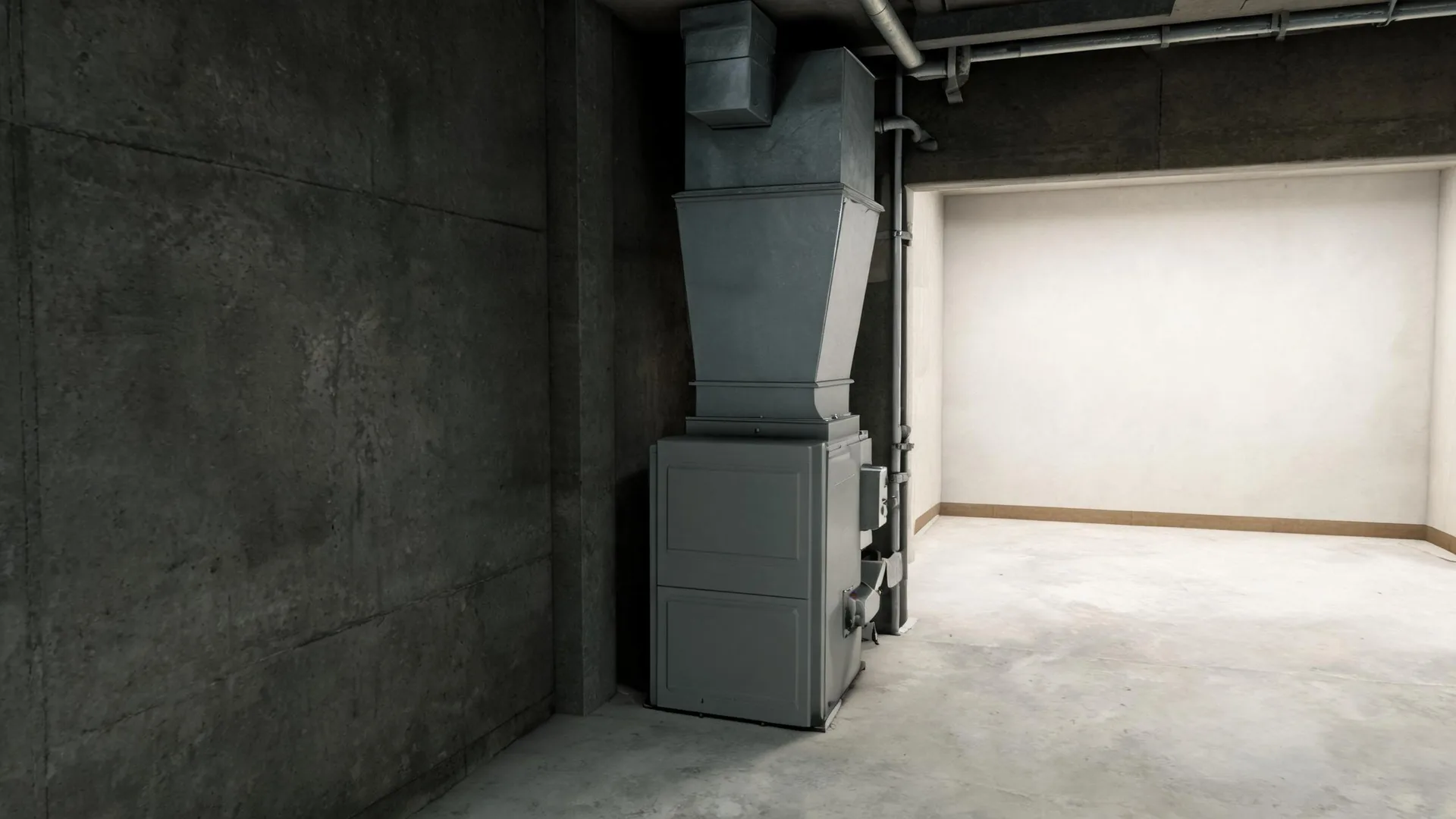
Sizing a furnace for a Worcester County home is not a generic calculation. Homes in Worcester County, MA run heat about eight months a year, from October through May. The burner and heat exchanger cycle through nearly the entire calendar, and a contractor has to establish the actual load the house puts on those components before the quote means anything. An undersized system runs longer and harder each cycle, and the cumulative strain on the ignition system and heat exchanger shows up in years, not decades. A contractor who skips a proper load calculation here hands the homeowner a system that will fail on the coldest week of February rather than on a mild shoulder-season day.
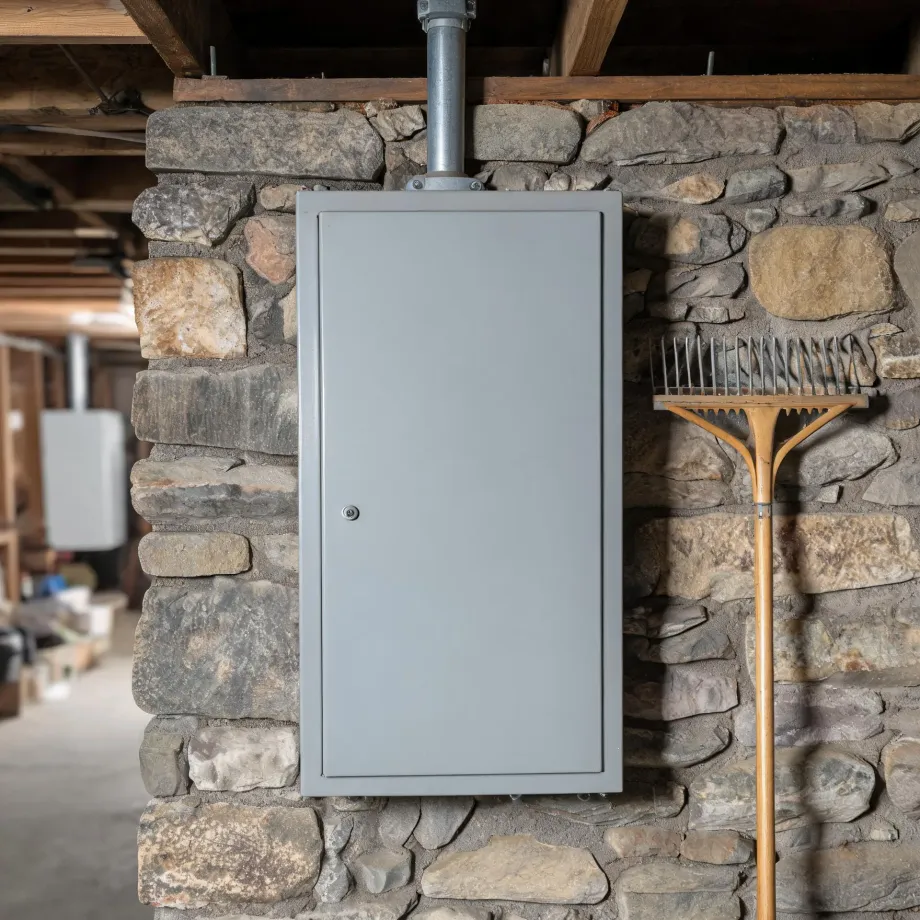
Ductwork laid down for one generation of heating equipment does not automatically carry the next. Half the homes in Worcester County, Massachusetts were built in 1967 or earlier (2020-2024 ACS 5-year). That depth of stock means a contractor sizing and placing a new furnace is working with trunk lines and branch runs that were designed around something else, and the fit between old distribution and new airflow is what decides whether the job is a straightforward swap or a more involved retrofit. Electrical service in houses of this vintage is worth the same scrutiny, since panel capacity for a modern furnace load was rarely part of the original build.
What Gets Installed With a New Furnace
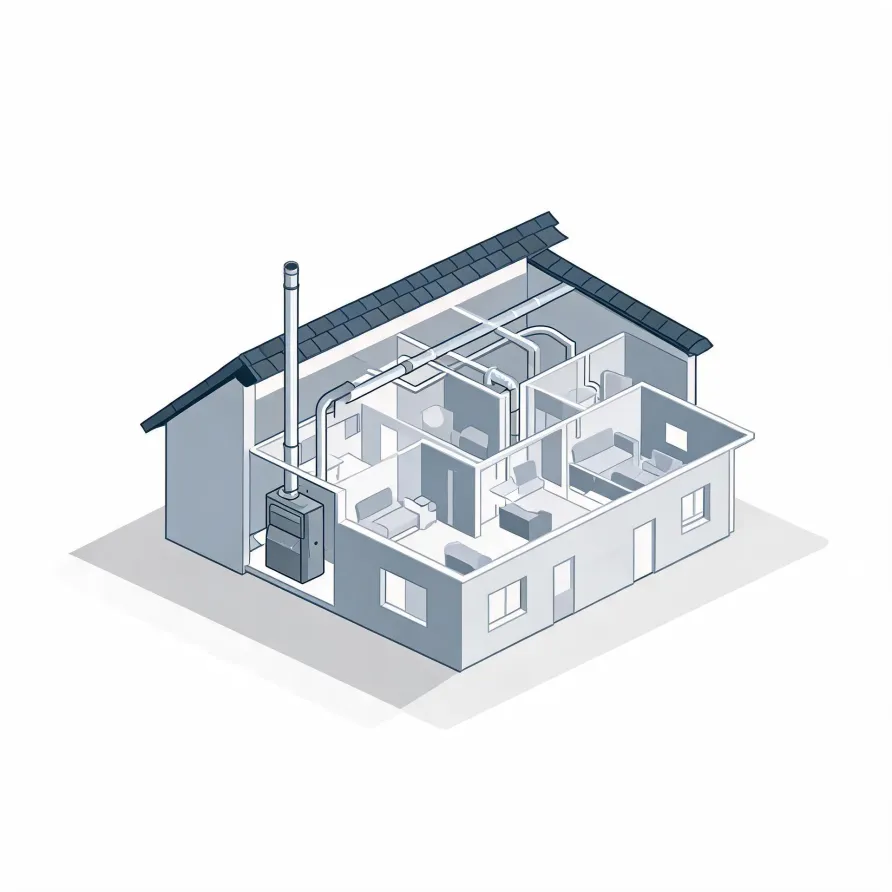
The furnace itself sits in the basement, utility room, or mechanical closet and is the unit a homeowner is most likely to recognize. Inside it, a heat exchanger warms the air that moves through the house, and a blower fan pushes that air out. A burner assembly draws on gas or oil to produce the heat the exchanger transfers.
The flue pipe runs from the furnace up and out of the house, carrying combustion gases away from the living space. Alongside the furnace, a thermostat mounts on an interior wall and serves as the control point for the whole system, telling the furnace when to fire and when to shut off.
The drawing shows a general layout of these components, and a licensed contractor determines exactly what applies to your house.
Get matched in Worcester CountyWorcester County, by the numbers
592 severe weather events were recorded in Worcester County, Massachusetts between 2015 and 2024.
NOAA National Centers for Environmental Information, Storm Events Database, bulk CSV export, events 2015-01-01 through 2024-12-31.Half the homes in Worcester County, Massachusetts were built in 1967 or earlier (2020-2024 ACS 5-year).
U.S. Census Bureau, 2020-2024 American Community Survey 5-Year EstimatesWorcester County, Massachusetts holds 355,185 housing units (2020-2024 ACS 5-year).
U.S. Census Bureau, 2020-2024 American Community Survey 5-Year EstimatesOwners occupy 65.8% of the occupied homes in Worcester County, Massachusetts (2020-2024 ACS 5-year).
U.S. Census Bureau, 2020-2024 American Community Survey 5-Year EstimatesFurnace Installation Rules on the Books for Worcester County, Massachusetts5 sourced standards and codes
What the Installation Actually Looks Like
Non-weatherized gas furnaces manufactured on or after November 19, 2015 must reach 80.0 percent AFUE.
Non-weatherized oil-fired furnaces manufactured on or after November 19, 2015 must reach 83.0 percent AFUE.
Mobile home gas furnaces manufactured on or after November 19, 2015 must reach 80.0 percent AFUE.
Non-weatherized gas furnaces manufactured on or after December 18, 2028 must reach 95.0 percent AFUE, up from the 80.0 percent minimum that applies to units manufactured before that date.
Licensing and Legal Requirements in Worcester County, Massachusetts
Massachusetts requires a state licence to work as a refrigeration technician, and to work as a pipefitter or sprinkler fitter.
Severe Weather Events in Worcester County
Weather in Worcester County puts real demands on heating equipment. How hard a furnace works, how long it lasts, and what capacity makes sense for a home here are all shaped by local conditions.
592 severe weather events, 2015–2024. Source: NOAA National Centers for Environmental Information, Storm Events Database.