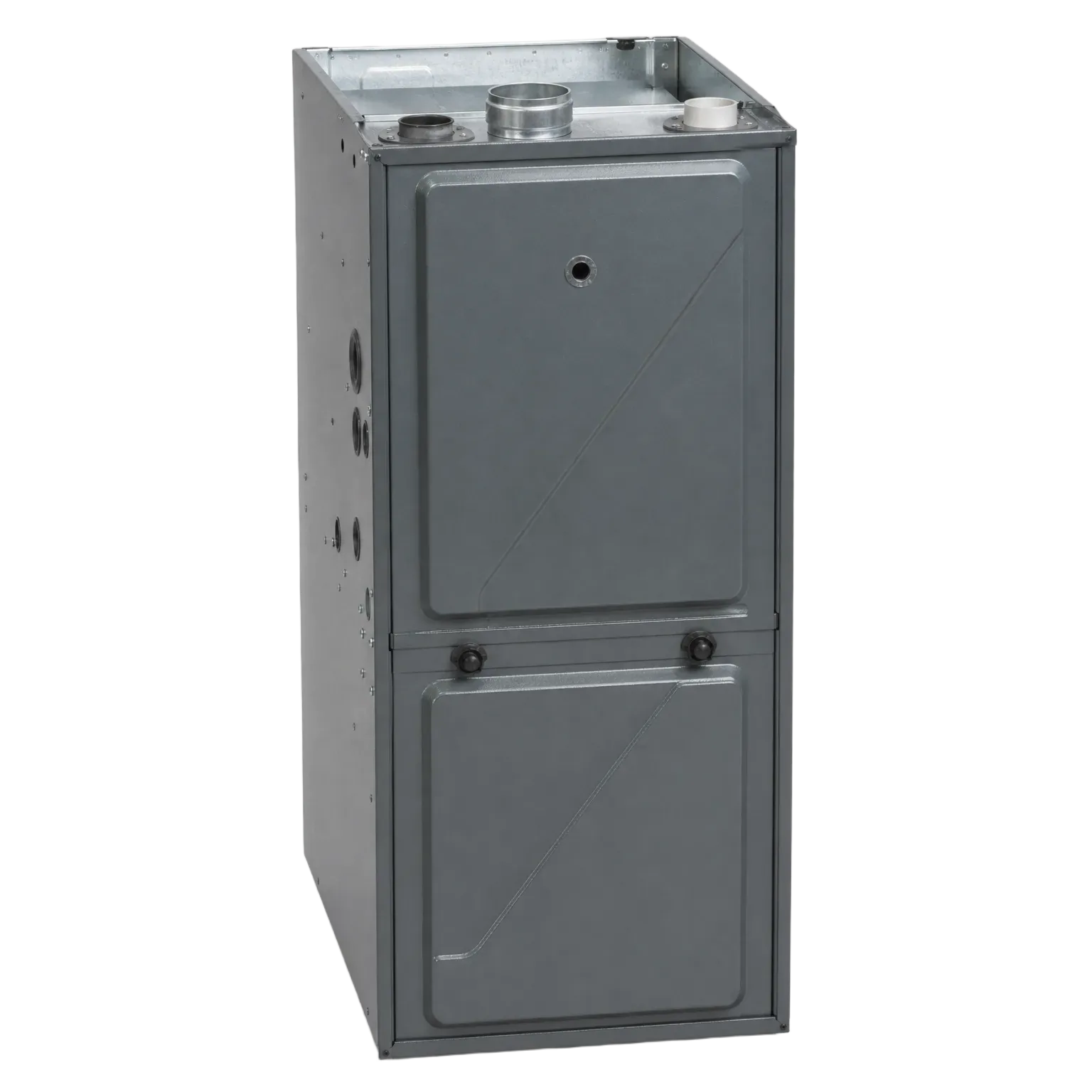
A gray high-efficiency furnace with two white PVC vent pipes stands beside galvanized sheet-metal ductwork in a dim basement with exposed joists and a concrete floor.

Matched to your furnace job

Why your furnace smells like burning in Massachusetts

A burning smell from your furnace can mean dust burning off at the start of the season, or it can mean a cracked heat exchanger or a wiring problem that needs attention now. This page gets into what separates a smell that fades in an hour from one that means you should shut the furnace off. Skip the search, the calls, and the back and forth, and get matched with a contractor who can take a look.

Get matched

A burning smell from your furnace usually means dust that settled on the burner or heat exchanger over the summer is burning off now that the furnace is running again. That smell should fade within an hour or so of the first few cycles. If it doesn't fade, or it smells sharper, like hot metal or burning plastic, something inside is overheating. A cracked heat exchanger, a failing blower motor, or a wiring problem near the control board can all cause that. Gas furnaces heat most Massachusetts homes, and a heat exchanger problem matters more here than a quick nuisance smell, because a cracked exchanger can let combustion gas into your air. If the smell is gone after an hour and doesn't come back, you likely just need to let the furnace run. If it lingers past that first day, or returns every time the furnace cycles on, it's worth having a contractor look at it before you keep running the system.

Winter nights average 21°F statewide

At 21°F on a typical winter night, your furnace is running long cycles to keep up, not the short bursts it does in fall. That means more hours of heat moving across a dusty burner or a strained part, which is exactly when a burning smell that should have faded starts to linger instead.

NOAA nClimDiv 1991-2020 county normals weighted by homes

The smell fades on its own

This is dust burning off the burner and heat exchanger after sitting all summer. You'll smell it in the first hour or so of the first few cycles of the season, usually faint, sometimes a little sharp. Run the furnace, open a window if you want, and give it time. By the next cycle it's noticeably weaker, and by the one after that it's gone. Nothing was damaged, nothing needs opening up. This is the furnace doing what it does every October, and the smell is just evidence of the summer it spent idle, not a sign anything inside it is wrong.

The smell won't let go

This is a part burning. A cracked heat exchanger, a wire with failing insulation, a motor bearing running hot, all of these keep producing the smell cycle after cycle instead of less of it each time. Sometimes it gets sharper, more electrical, more plastic. That pattern, the smell holding steady or getting worse through a cold night when the furnace is running long and hard to keep up, means something is failing while it runs rather than just shedding dust. That's not something to wait out. It calls for a contractor to open the furnace and find out which part it is.

A woman in a cream sweater with her hair in a bun laughs while seated at a stone counter holding a glass of red wine, in a dimly lit interior with a sofa, houseplants and a large window at night.
A woman with long dark hair in a cream knit sweater laughs while looking off to the side, seated in front of a dimly lit kitchen with an island, stools, open shelving and a potted plant, with a glass of red wine in the foreground.
A smiling woman with long dark wavy hair in a light knit sweater sits at a marble counter with a glass of red wine, with a dimly lit living room and kitchen in the background.
A smiling woman with long wavy brown hair in a beige sweater sits at a white marble counter with a glass of red wine, with a living room, dining table and kitchen cabinets behind her.

What's Actually Making That Smell

  • Gas burns inside the heat exchanger, a metal chamber that keeps combustion gas separate from the air blown into your rooms.
  • A crack in that chamber lets flue gas leak into the airstream, and that gas carries a sharper, more chemical smell than burning dust.
  • The blower motor sits behind the burner compartment, and a failing motor bearing can smell like hot metal or burning oil rather than dust.
  • Wiring runs along the control board near the burners, and a loose connection there can scorch the insulation and smell like melting plastic.
  • The flame sensor and igniter sit right next to the burner flame, so a coating of dust or oil on either one burns off fast but a wiring fault near them keeps smelling.
  • A furnace technician traces the smell by running a cycle and checking the burner compartment, the blower, and the wiring in that order before opening up the heat exchanger.

Your furnace burns gas inside a heat exchanger, a sealed metal chamber built to keep combustion gas away from the air your blower pushes through the ducts into your rooms. When that chamber cracks, flue gas gets into the airstream instead of going up the vent. That smell is sharper and more chemical than the dusty smell you get at the start of the season, and it doesn't fade the way dust does.

Not every burning smell comes from the heat exchanger, though. The blower motor sits just behind the burner compartment, and when a bearing in that motor starts to fail, it can give off a smell closer to hot metal or burning oil. Wiring runs along the control board near the burners too, and a connection that's worked loose there can scorch its own insulation, which smells like melting plastic rather than dust or gas.

The flame sensor and igniter sit right next to the flame itself, so any dust or oil on them burns off within the first cycle or two. If a smell near there keeps going past that, it's more likely a wiring fault than residue.

A furnace technician works through this in order: run a cycle, check the burner compartment, check the blower, check the wiring, and only open up the heat exchanger itself if the first three come back clean.


A gray high-efficiency furnace with white PVC vent pipes stands in an unfinished basement beside sheet-metal ductwork, gas piping, and insulated stud walls on a concrete floor.
The furnace is running clean, drawing gas through the yellow line to the burner and venting through the PVC pipe without a trace of smell.
A beige sheet-metal furnace with a louvered upper panel stands on a concrete basement floor, connected to galvanized ductwork, white PVC vent pipes, and a metal gas line with an electrical box.
This furnace is pulling double duty through a Massachusetts winter, and a burning smell from a cracked heat exchanger means it needs a look now.
  1. The thermostat calls for heat and opens the gas valve.

  2. The igniter glows or sparks to light the burner.

  3. Burners fire inside the heat exchanger, heating its metal walls.

  4. The blower pushes return air across the hot exchanger.

Smell That Fades or Smell That Stays

Dust burning off

  • The smell shows up in the first hour or so after the furnace starts running for the season, not weeks into winter.
  • It fades on its own within a cycle or two once the dust on the burner and heat exchanger has burned away.
  • Running the furnace for an hour with a window cracked usually clears it out faster.
  • It smells faint and a little sharp, not sharp and chemical.
  • It happens once a year, right when the furnace kicks on after sitting idle since spring.

Burning that doesn't fade

  • The smell is still there after a few full cycles, or it gets stronger instead of weaker.
  • It carries a sharper, more chemical edge, which points to flue gas leaking through a cracked heat exchanger rather than dust.
  • It can also come from a wiring problem inside the furnace, which won't clear up by running the system longer.
  • A furnace working through a Massachusetts winter runs long cycles at low temperatures, so a damaged part gets stressed for hours at a stretch.
  • This calls for a contractor to look at the heat exchanger and wiring before you run the furnace again.
  • Waiting it out doesn't fix a crack or a loose connection, it just means more hours of exposure to flue gas.
An older gas furnace with louvered panels sits on a concrete pad in a basement, connected to sheet-metal ductwork and PVC and metal pipes, with a water heater and wooden stair framing in the background.
Before you get your furnace repair
A gray high-efficiency furnace with white PVC vent pipes stands beside galvanized sheet-metal ductwork in a basement with a concrete floor, with a wooden staircase and railing at left.
After you get your furnace repair

A furnace pro near you

Skip searching for a furnace pro and answer a few questions instead.

Asking costs nothing, and the choice to hire stays yours.

A gray furnace with sheet-metal ductwork, PVC vent pipes and a yellow gas line stands on a concrete basement floor beside wooden stair framing.

Running clean

Gas moves through the yellow line to the burner, the heat exchanger holds the flame away from your ductwork, and the PVC pipe vents the exhaust outside. No smell beyond the first hour of the season. The blower just moves warm air through the sheet-metal ducts to your rooms.

An older gas furnace with a louvered front panel stands on a concrete basement floor beside galvanized sheet-metal ductwork, a metal flue pipe, gas piping and a flexible conduit along a concrete wall.

Something's wrong

A furnace like this one can crack its heat exchanger or fray a wire near the gas piping after years of winters. Once that happens, a burning smell shows up well past the first hour and keeps coming back. That's a furnace a contractor needs to look at, not one to wait out.

Why does my furnace only smell like burning when it's really cold out?

Why does my furnace only smell like burning when it's really cold out?

Long, hard cycles put more strain on a weak part than short ones do

On a night in the teens, your furnace doesn't shut off after ten minutes. It runs long cycles back to back to keep the house at temperature, and that means more hours of heat passing over whatever's already wearing out inside it. A hairline crack in the heat exchanger or a wire with failing insulation might not show itself during a mild stretch in November. Push the furnace hard enough, for long enough, and the same flaw starts putting off a smell you didn't notice before. It isn't that cold weather causes the problem. It just runs the furnace hard enough to expose one that was already there.

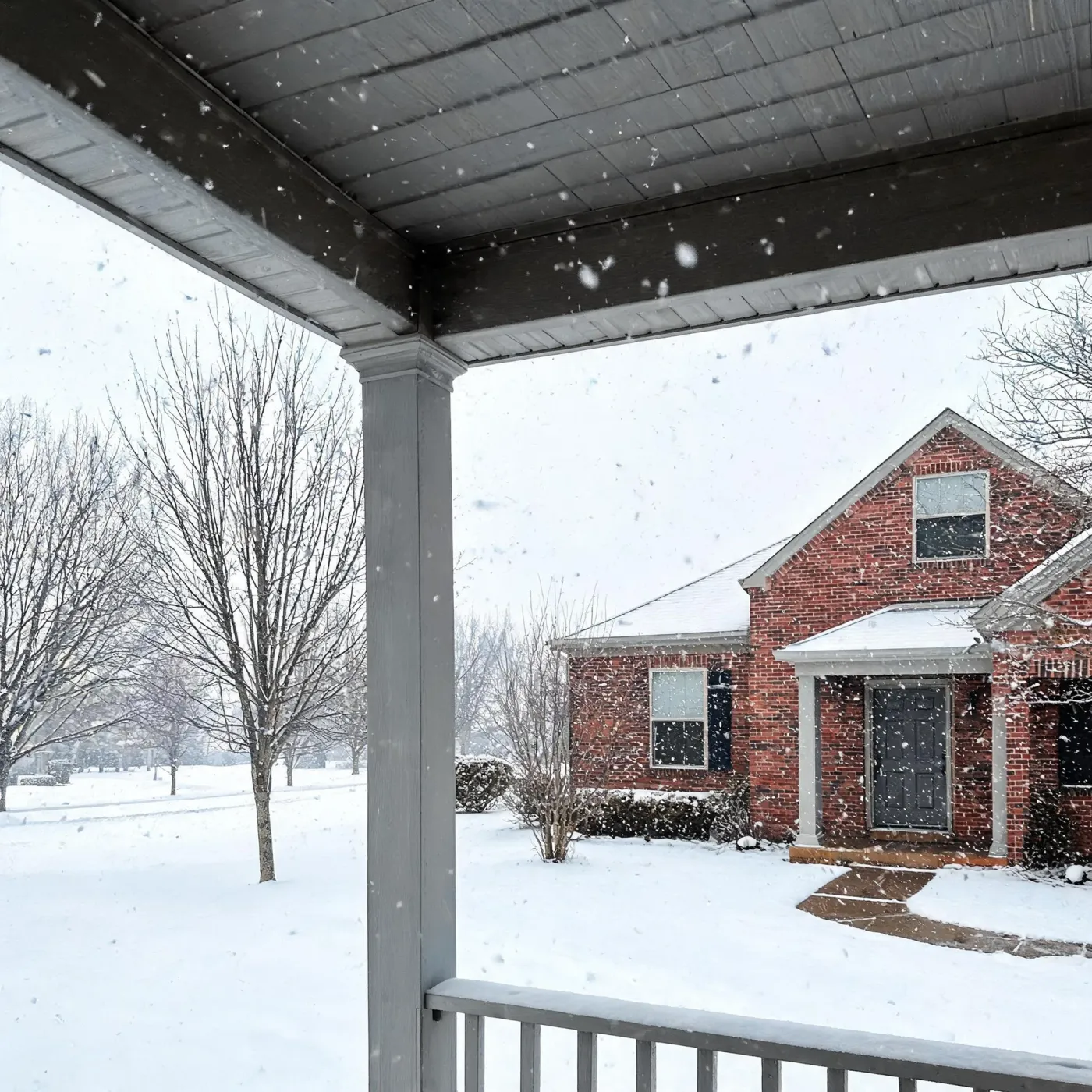
View from a covered porch with a white post and railing toward a red brick house across a snow-covered yard, with falling snow and bare trees.

Statewide, winter nights average 21°F, and that's the stretch where a lingering burning smell stops being dust and starts being worth a closer look. Cold like that keeps the burner firing for long stretches instead of cycling on and off, so a hairline crack in the heat exchanger or a wire insulation fraying near the blower gets more exposure to heat than it would on a mild night. If the smell comes back on the coldest nights but not on the warmer ones in between, that pattern matters more than the smell itself.

Source: NOAA

NOAA nClimDiv 1991-2020 county normals weighted by homes

A bearded man in a dark navy sweater over a collared shirt smiles and looks off to the side while seated at a dinner table with a glass of red wine, a lit candle, and a plate of food in the foreground of a dimly lit room.
A woman in a dark gray sweater reclines on a couch with her eyes closed and a knit blanket over her lap, an open book resting face-down in front of her, with a lit table lamp and shelving blurred in the background.

A smell that lingers past the first hour

A cracked heat exchanger can leak exhaust into the air your furnace blows through the house, and that risk only grows the longer it runs uninspected.

Get a local pro

Skip the calls and the explaining

Get matched with a contractor who handles furnace repair in Massachusetts, and let them reach out to you instead of you working the phone yourself.

Get a local pro
A woman in a cream sweater and jeans stands in the open doorway of a white stucco house, holding the dark door, while a man in a dark quilted jacket seen from behind walks toward the entry past potted plants.

A smell that fades is nothing. A smell that stays is worth a call.

Dust burning off at the start of the season clears up on its own within an hour or two. A smell that hangs on past that, or one that shows up weeks after your furnace has been running fine, is telling you something about a part, not about dust. On the cold nights Massachusetts winters bring, your furnace runs long and hard to keep up, and that's when a weak spot shows itself.

You don't have to figure out which it is by yourself, and you don't have to spend an evening calling around to find out either. Describe what you're smelling and when, and you'll be matched with a contractor who takes furnace calls like this one, who reaches out to you directly. No sorting through quotes, no explaining the same thing twice to three different companies. Just the next step, and someone who can tell you what's actually going on inside that heat exchanger.

A living room corner with a beige sofa and cushion, a round wooden coffee table holding a pale ceramic vase of eucalyptus stems and a wooden bowl, and a curtained window with a potted plant above a latticed radiator cover in the background.
At dusk, a dark board-and-batten house with a standing-seam metal roof and lit entry walkway of stone pavers, with two large outdoor heat pump units on a stone-walled pad at right and trees and hills in the background.

Furnace Repair

Get the right pro for your furnace

Step 1 of 3: Equipment
  • A dimly lit living room corner with a beige upholstered sofa holding a dark green cushion and a chunky knit throw, beside a wooden sideboard with a lit ceramic table lamp, a small potted plant, and a wooden bowl, with a framed artwork on the wall and a mug on a book in the foreground.
    • Describe your furnace job, and a local pro who handles it gets in touch.
  • A round wooden coffee table holding a round stone vase of green foliage, a lit candle in a glass container, and a small dark bowl, with a beige sofa, cushions and knit throw behind and a window at left.
    • Send the request today and stop worrying about who to call.
    • Send the request and finding a pro stops being your problem.
  • Sunlit living room with a wooden coffee table holding a ceramic vase of leafy branches and a carved wooden tray with two stacked books, in front of a beige sofa with tan and green cushions and a potted plant near a window.
    • Answer a few questions instead of calling shop after shop.
    • Describe your furnace job once, to one pro.
  • Interior corner with a lit ceramic table lamp and wooden bowl on a wood sideboard, a framed picture and branch-filled vase behind, a knit throw over an upholstered chair, and a lit candle in a glass holder, stoneware mug and round planter of green foliage on a wooden table in the foreground.
    • The pro who reaches out is licensed in Massachusetts.
    • Only one pro gets your request, so you hear from one company.