








Furnace pilot light keeps going out in Massachusetts

Skip searching for a furnace pro and answer a few questions instead.

Step 1 of 3: Equipment

A pilot light that keeps going out is almost always a sign of a bad thermocouple. That's the small sensor that sits in the flame and tells the gas valve the pilot is lit. Once it wears out, it stops sensing the flame correctly and shuts the gas valve off to be safe, even though the pilot was burning fine seconds before. A draft from a nearby vent or a dirty pilot opening can cause the same thing, but a thermocouple that's reached the end of its life is the most common reason. In a Massachusetts winter, this isn't something to let ride. Gas furnaces are what heat most homes here, and a furnace that won't hold its pilot through the night can leave a house cold fast when the temperature outside drops. A licensed furnace repair contractor can tell within minutes whether it's the thermocouple, the gas valve, or something else behind it.

A woman with long light-brown hair in a gray knit sweater sits in a living room looking off to the side, with a sectional sofa, houseplant, lamp, wooden table and large windows behind her.
A woman in a chunky gray turtleneck sweater sits indoors looking off to the side, with a blurred dining table, chairs, pendant lamp and window behind her.
A woman in a cream knit sweater with her hair in a bun stands near a window, looking off to the side, with a gray sofa, houseplant and open kitchen with pendant lights blurred behind her.
A woman with long brown hair in a cream knit sweater stands near a window, looking to the side, with a white sofa, shelving, and a hallway visible behind her.

Fix the Thermocouple or Keep Resetting It

Call for repair now

  • A thermocouple is a simple swap for someone who works on gas furnaces all winter, often done in one visit.
  • Fixing it stops the pilot from going out instead of you resetting it every few days through a Massachusetts winter.
  • A furnace tech local to your area will have seen this exact failure on other units this season.
  • Waiting risks the gas valve itself if the thermocouple keeps shutting it off under a weak signal.
  • You deal with one contractor who already knows gas furnaces, not a string of calls to different companies.
  • The pilot either lights and holds or it doesn't, so you'll know fast if the fix worked.

Keep resetting it yourself

  • Relighting the pilot a few times might get you through a cold snap, but it comes back the same way.
  • A worn thermocouple doesn't heal, so the outages tend to happen more often, not less, as the weeks go on.
  • Each reset means someone in the house is without heat until the pilot catches again.
  • If the flame sensing keeps failing, the gas valve can shut off at times you don't expect it.
  • You still have to figure out who to call eventually, so the search for a contractor doesn't go away, it waits.
  • Electricity here costs enough that leaning on space heaters while you put off the fix adds up fast.
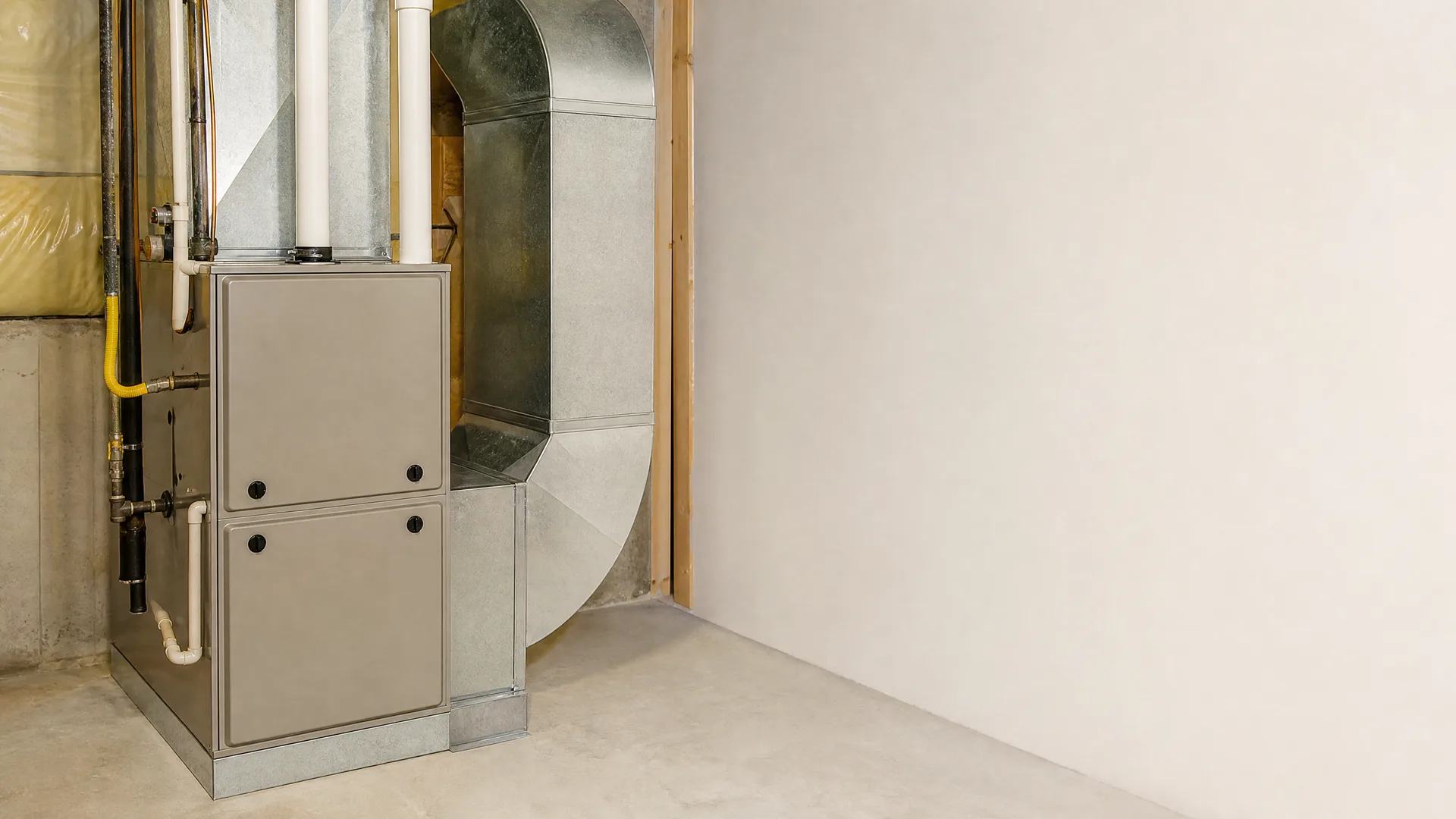
A gas furnace with sheet-metal ductwork, PVC vent pipes and copper and black piping stands against a wall in a basement with a bare light-colored wall and concrete floor.

Why the pilot won't stay lit

The thermocouple is a thin rod that sits right in the pilot flame. Heat from the flame generates a small electric signal that holds the gas valve open. When the rod cracks or the tip pulls away from the flame even slightly, that signal drops and the valve reads it as no flame at all. The valve closes the gas off as a safety measure, and the pilot goes dark again, sometimes within minutes of relighting it.

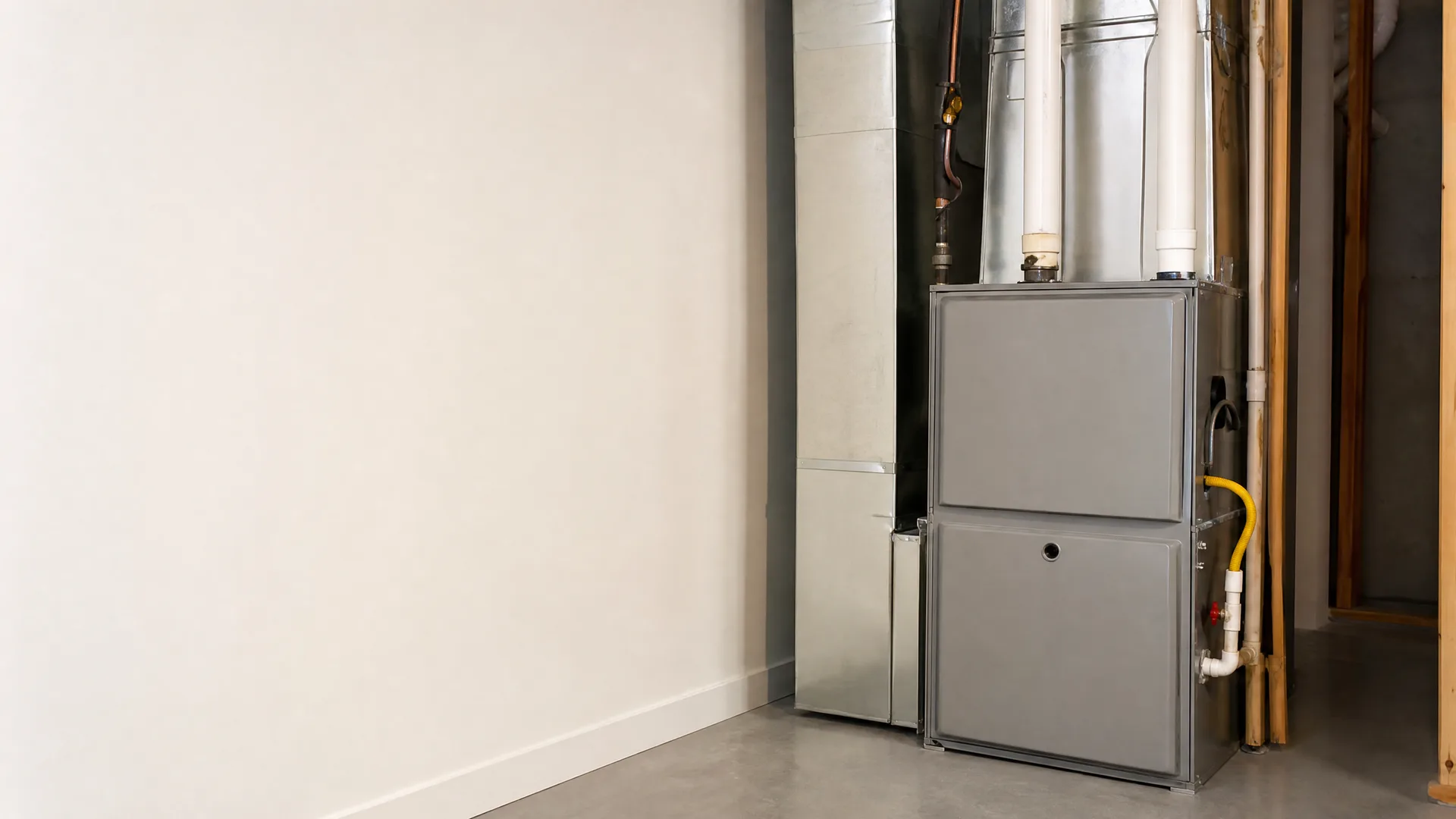
A gray furnace with attached sheet-metal ductwork, white PVC vent pipes, copper and yellow gas lines stands against a wall in a room with a plain white wall and concrete floor.

Why it fails more in winter

A thermocouple wears from being heated and cooled over and over, so the more a furnace cycles, the faster it ages. Massachusetts furnaces run from fall through spring, and each start of the pilot is another cycle on that rod. A furnace with a thermocouple near the end of its life can hold a flame fine in October and start failing by January, once the cold sets in and the burner is firing several times a day.

Why does my pilot light go out more in cold weather?

Cold snaps seem to make it worse. The pilot was fine in November, and now in January it's going out every couple of days, right when you need the furnace running the most to keep the house warm overnight.

Cold air pulls harder on a weak thermocouple, so it fails faster when it's cold out

A thermocouple on its way out can still hold the gas valve open most of the time. Add in cold drafts from outside, a chimney pulling harder, or a furnace running longer hours, and that weak signal drops just enough for the valve to close. That's why it seems tied to the weather. The thermocouple itself isn't affected by the temperature outside. It's that a marginal part has less room for error once the furnace is working harder and running more often through a Massachusetts winter. A thermocouple that's fully worn out will go out regardless of the weather. One that's just starting to fail will often show it first on the coldest nights.

A gray high-efficiency furnace stands on a concrete basement floor beside galvanized sheet-metal ductwork, white PVC vent pipes, copper and black piping, and unfinished wood stud framing.
A furnace with a steady pilot keeps its flame burning blue and unbroken, heat moving up through the ducts without interruption.
A gray furnace with two access panels stands on a concrete basement floor beside sheet-metal ductwork, with pipes, flexible conduit and an electrical box on the concrete wall to the left.
A furnace with a failing thermocouple can shut its gas valve off mid-cycle, leaving the pilot out and the house without heat until someone relights it.
A woman and a child wrapped together in a knitted gray blanket on a couch, with the child's head resting on her shoulder and a lit table lamp and houseplant in the background.
An older woman with short gray hair in a cream cable-knit turtleneck sweater smiles while looking to the side in a wooden kitchen, with a round loaf of bread on a board in the foreground and a lit candle by a dark window.

Explain it one time

A thermocouple is a small part, but a furnace that keeps losing its pilot light on a cold night in Massachusetts is not something to leave for later. You could spend an evening looking up gas furnace repair companies, calling a few, describing the pilot going out again and again, then waiting on quotes to compare. This request goes to one licensed contractor local to you, someone who works on gas furnaces all winter and knows a worn thermocouple when they hear how it's acting. You won't get calls from five different companies trying to win the job. You get the one who can actually look at your furnace, while the house stays on the edge of losing heat until it's handled.

A gray high-efficiency furnace with white PVC vent pipes stands beside sheet-metal ductwork and a water heater in an unfinished basement with concrete walls and wood framing.

Pilot lit, flame steady

This is what a working setup looks like: furnace running, PVC flue pipes venting straight out, ductwork carrying warm air through the house without any interruption. The pilot stays lit on its own, cycle after cycle, all winter.


A beige gas furnace with a metal flue pipe stands in a basement against concrete block walls, beside sheet-metal ductwork, copper and white plastic pipes, and a water heater at right.

Pilot out, furnace cold

Here the thermocouple has failed and the gas valve has shut itself off. No flame, no heat moving through that galvanized ductwork, nothing but a cold furnace in the basement until someone relights the pilot or replaces the part for good.

A closed silver laptop and a glazed ceramic mug on a wooden table, with a blurred kitchen counter, potted plant, cutting board and window in the background.

A furnace that won't hold its pilot means you're the backup system

Right now, you're the one keeping the furnace running. You notice the house is cooler than it should be, you go downstairs, you relight the pilot, and it holds for a day or two before you're back down there again. That's not a fix, that's you filling in for a part that's worn out. Some night you won't catch it in time, or you'll be out, and whoever's home will be the one dealing with a cold house and a pilot they don't know how to light.

You don't need to spend an evening searching for gas furnace repair in Massachusetts, calling a few places, and explaining the same thing about the pilot going out to each one. One licensed local contractor who works on furnaces all winter gets the call, looks at the thermocouple, and takes you off backup duty.

Interior corner of a living room with a beige upholstered sofa and dark cushion in the foreground, a ceramic vase of leafy branches on a dark side table by a curtained window, a framed picture on the wall, and a wood-surround fireplace at right.
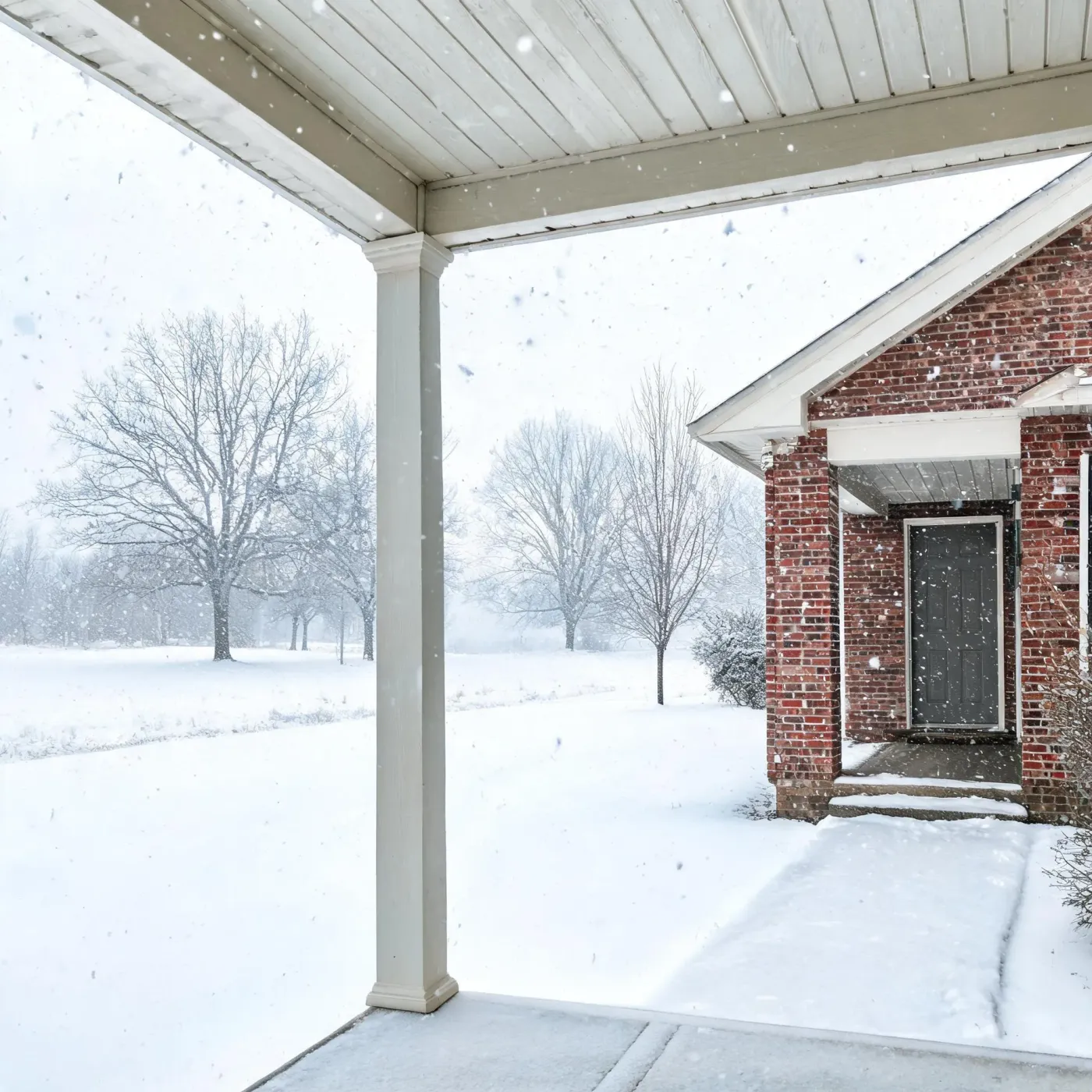
View from under a covered porch with a white column toward a red brick house with a dark door, with falling snow, snow-covered ground and bare trees in the background.

Statewide, winter nights average 21°F, according to NOAA climate data. That's cold enough that your furnace is running long stretches overnight, exactly when a weak thermocouple tends to let go. The gas valve senses the pilot isn't holding steady and shuts off, and the house starts cooling while everyone's asleep. You feel it as a chill that's crept in by morning, or wake up to check the thermostat because the bedroom doesn't feel right. A furnace that can hold its pilot through those long cold nights doesn't give you that moment.

NOAA nClimDiv 1991-2020 county normals weighted by homes

Why do you keep finding the pilot out again

You go to check the thermostat and the house feels off, a few degrees cooler than you set it. Downstairs, the pilot is dark. No blue flame, no hum from the burners, just the furnace sitting there cold. Maybe it lit again when you held the button down, maybe it took a couple of tries. A day later, or three, you're back down there doing the same thing. If nobody catches it overnight, the house keeps losing heat the whole time the pilot is out, and on a hard freeze that matters more than it would in October. It's not something that fixes itself by relighting it again. Each time it goes out on its own, that's the thermocouple telling you it's done holding.

An older beige furnace with two louvered vent panels stands on a concrete basement floor, connected to galvanized ductwork and a metal flue pipe, with gas piping and flexible conduit on the wall behind.
Before you get your furnace repair
A beige high-efficiency furnace in an unfinished basement, with white PVC vent pipes, a yellow gas line, metal ductwork, and exposed wood framing on a concrete floor.
After you get your furnace repair

You relight the pilot, it holds for two days, then you're back downstairs with a lighter again, trying to time it around when the house gets cold enough for someone to notice.

A new thermocouple holds the gas valve open the way it's supposed to, so the pilot stays lit on its own and nobody downstairs has to check on it again.

Winter nights average 21°F statewide

At 21°F overnight, your furnace isn't cycling off much between midnight and morning. A thermocouple that's already weak gets more chances to fail right in those long stretches, which is why the pilot tends to go out while everyone's asleep.

NOAA nClimDiv 1991-2020 county normals weighted by homes

A worn thermocouple, fixed once

  • A pilot that won't hold is a worn thermocouple, and swapping it is a routine repair for someone who works on gas furnaces all winter.
  • Once it's replaced, the pilot stays lit through the cold stretches instead of going dark the next time it drops into the 20s overnight.
  • You submit the problem once, to one licensed Massachusetts contractor, instead of calling around and explaining the same pilot issue to several companies.
  • That contractor sees this failure every winter and knows a dying thermocouple is the first thing to check before anything else on the gas valve.
  • No more going downstairs to relight it and hoping it holds until someone notices the house has gone cold again.

The pilot keeps going out because the thermocouple that's supposed to hold the gas valve open has worn past the point of sensing the flame right. That part is why you've been relighting it every couple of days, and it's why it keeps happening overnight when the furnace runs longest. Replacing it is what stops the cycle. Once the new thermocouple is in, the valve stays open the way it's built to, and the pilot holds through the cold stretches instead of dropping out again in a week.

You don't have to find out who does this kind of work. Submit the problem once, and it goes to one licensed Massachusetts contractor, not a handful of companies you have to call, explain the same thing to, and compare against each other. The contractor who takes the job is someone who works on gas furnaces all winter in homes like yours, which means a pilot that won't hold is a familiar complaint, not a puzzle. They'll check the thermocouple first, because that's what usually fails, before they look at anything else on the gas valve.

That's the whole problem and the whole fix. A small part wearing out, caught and replaced by someone who's done it before, in a house that needs its furnace running through the night without anyone having to go check on it.

Sunlit corner of a room with a wooden sideboard holding a ceramic vase of olive branches and a dark wooden bowl, beside a white-framed window, a hardwood floor and woven rug.
A wooden cabinet holding a pale ceramic vase with leafy branches stands beside a beige wall in a sunlit room with hardwood floors, a jute rug, and a window showing green foliage outside.
Sunlit room corner with a beige upholstered sofa holding a rust-brown cushion, beside floor-length linen curtains at a window, over a wood floor with a woven rug.
Corner of a room with beige walls, a framed photograph, a floor-length linen curtain beside a window, an upholstered armchair with a knit pillow, white baseboards and trim, wood flooring and a pale rug.
Sunlit living room corner with a beige upholstered armchair with a cushion, linen curtains beside a wooden-framed window, green vertical panelled wall with a framed print, and a wooden table edge over a woven rug.

Skip the calls to every shop

Your request goes to one pro, not a list of companies.

Find a licensed pro

There's no charge for the request.