


Furnace on but house still cold in Massachusetts

Step 1 of 3: Equipment

A furnace that runs but never quite warms the house usually isn't heating all the air it's blowing. Cold air can come through the vents while the burner itself works fine, which points to something stopping heat transfer rather than the gas supply or the igniter. A clogged filter is the most common cause, since it chokes airflow across the heat exchanger and leaves the blower pushing room-temperature air. A failing blower motor or a bad flame sensor that shuts the burner off early can do the same thing. Ductwork that leaks into a basement or attic lets heated air escape before it reaches the rooms you're in, which matters in a Massachusetts winter when the furnace is running for hours at a stretch. If your thermostat reads the set temperature but the rooms feel cold, the problem is usually airflow or duct loss, not the furnace's ability to make heat. Either way, the furnace needs to be looked at before the cold gets worse.

A gas furnace with two gray access panels stands against a plain wall in a basement, connected to sheet-metal ductwork, white PVC vent pipes, and a yellow gas line.

Why the blower matters here

A dirty filter or a failing blower motor cuts the airflow across the heat exchanger. Less air passing over it means the air coming out the vents has had less contact with the heat. The burner can run the whole cycle and the house still feels cold, because the warm air isn't reaching the rooms in the amount it should. A contractor checking this will pull the filter and watch the blower before touching anything else.

A gray high-efficiency furnace in a basement corner with white PVC vent pipes, copper and black gas piping, and sheet-metal ductwork beside a plain white wall and wooden stair framing.

What ductwork can hide

Massachusetts basements and attics often route long duct runs through unheated space. A duct that's come loose at a joint, or crushed behind a wall, lets heated air escape before it reaches the register. You can sometimes feel this as a room that's always colder than the rest of the house, or a vent with weak airflow compared to others on the same floor. Sealing or reattaching that duct is a repair, not a replacement.

Weak Airflow or Won't Stay Lit

Airflow problem

  • The filter is dirty or the blower motor is weak, so less air passes over the heat exchanger than the furnace needs.
  • Vents feel cool or barely warm even though the burner cycles on and off normally.
  • Some rooms heat while others stay cold, especially rooms farthest from the furnace.
  • A contractor can check this by measuring the temperature rise across the furnace and testing the blower directly.
  • Cleaning or swapping the filter won't fix it if the blower motor itself is the one failing.

Gas or ignition problem

  • The burner won't light at all, or it lights and then shuts off within a few seconds.
  • You may hear the inducer motor run but never hear the burner ignite.
  • The thermostat calls for heat and the furnace responds, but no warmth reaches the vents because the flame never stays lit.
  • This points to the igniter, the flame sensor or the gas valve rather than anything downstream in the ducts.
  • A Massachusetts contractor who works on gas furnaces all winter can usually narrow this down with a multimeter in one visit instead of guessing room by room.
A dark high-efficiency furnace on a concrete pad in a basement, connected to galvanized ductwork, white PVC vent pipes, and copper and black gas piping, with concrete walls and wood framing nearby.

Furnace moving heat the way it should

Warm air reaches every vent because the blower is pushing enough of it across the heat exchanger. The burner cycles on, the air coming off the registers is hot within a few minutes, and the thermostat setting and the room temperature match. Nothing in the basement needs a second look.


A gas furnace with a louvered upper panel stands on a concrete pad in a basement, flanked by sheet-metal ductwork, white PVC and metal pipes, and insulated columns.

Furnace running without catching up

The burner fires and the blower runs, but the air at the vents stays lukewarm and the house never reaches the number on the thermostat. That flexible conduit and condensate line are doing their job moving exhaust and water out. The problem is somewhere in the air passing through, not in whether the furnace is trying.

Why does my furnace run constantly but the house never heats up?

Why does my furnace run constantly but the house never heats up?

The furnace is running longer to make up for heat it's losing somewhere else

A furnace that won't shut off is trying to satisfy the thermostat and can't catch up. That usually means the heat it's making isn't reaching the rooms fast enough to raise the temperature, so the burner keeps firing and the blower keeps running. A clogged filter or a blower motor that's lost strength will do this, since less air moving across the heat exchanger means more cycles needed to push the same amount of warmth through the ducts. Leaky or poorly sealed ductwork has the same effect, letting warm air escape into the basement or attic before it reaches a vent. Either way, the furnace isn't broken in the sense of refusing to work. It's working harder than it should have to.

A smiling woman with dark shoulder-length hair in a cream V-neck sweater sits at a marble counter with a glass of red wine, with a kitchen and softly lit living room behind her.
A woman in a dark green sweater laughs while seated at a marble kitchen island with a glass of red wine, with open shelving, cabinets and a living room visible behind her.
A woman with long dark hair in a cream knit sweater laughs while looking off to the side, seated at a counter with a glass of red wine, in a dimly lit living room with a sofa, lamp, framed pictures and houseplant behind her.
A smiling woman with long dark hair in a beige sweater sits at a marble kitchen counter with a glass of red wine, with a dimly lit living room behind her.

Skip calling around

A furnace that's not warming the house is a diagnosis job, not a guess. It could be the filter, the blower motor, a duct problem, or something further along in the system, and the only way to know is to have someone look at it who works on furnaces around Massachusetts every winter and has seen what usually goes wrong when the burner runs but the rooms stay cold. Finding that person on your own means searching, calling a few companies, explaining the same thing to each one, then sitting with quotes trying to tell them apart. With power costs what they are here and gas heat running hard through a Massachusetts winter, a furnace working overtime without actually heating the house is not something to leave alone while you sort through contractors. This request goes to one local, licensed contractor who works on this kind of furnace regularly, not a handful of companies competing for your call. You explain the problem once, to someone who'll know what to check first.

What you're paying for right now

Every cycle the burner runs without warming the house still burns gas, and the blower still draws power the whole time. With electricity rates in Massachusetts among the highest around, a blower running long hours on weak airflow adds up on the bill before anyone fixes the real problem. You're paying for heat that never makes it past the ductwork or off the coil and into the rooms you're sitting in. The furnace isn't broken in the sense of refusing to run. It's working harder and longer to deliver less, and that gap is what shows up charged to you each month.

What a cold January night does to it

Keep running a furnace that can't move enough air across the heat exchanger and the exchanger itself takes the strain, cycling hotter than it should on the metal because less air is there to carry that heat away. Over a winter of nights in the 20s and teens, that stress adds up on a part that's expensive to replace and isn't simple to get to. Rooms farthest from the furnace stay cold enough that you notice it in socks on the floor, not just a number on the thermostat. Left alone, a part that only needed cleaning or adjustment can turn into one that needs replacing.

An older beige furnace with a louvered vent panel stands on a concrete basement floor beside galvanized sheet-metal ductwork, a metal flue pipe and vertical pipes along a concrete wall.
Before you get your furnace repair
A beige high-efficiency furnace with white PVC vent pipes stands beside galvanized sheet-metal ductwork in a basement with a concrete floor, exposed wood studs, and metal piping along the wall.
After you get your furnace repair

Call around yourself

You'd be explaining the same cold rooms and long burner cycles to company after company, then lining up quotes to figure out who's worth having out.

Fill out one form

One local contractor

A local contractor who works on furnaces all winter in Massachusetts comes out knowing what usually causes this, no explaining it twice to different companies.

Fill out one form

What are you noticing in your own house right now

Walk through your rooms with a hand near each vent. Some blow warm, some blow barely anything, and the bedrooms at the end of the duct run might not get much at all. You've probably bumped the thermostat up a few degrees to compensate, or layered on a sweater instead. The burner kicks on when it should and runs a long time, maybe longer than it used to, and still the living room doesn't feel right by evening. If this has gone on for a while, check for a musty smell near the furnace closet or moisture on nearby windows, since a heat exchanger working harder than it should can point to problems that affect more than comfort.

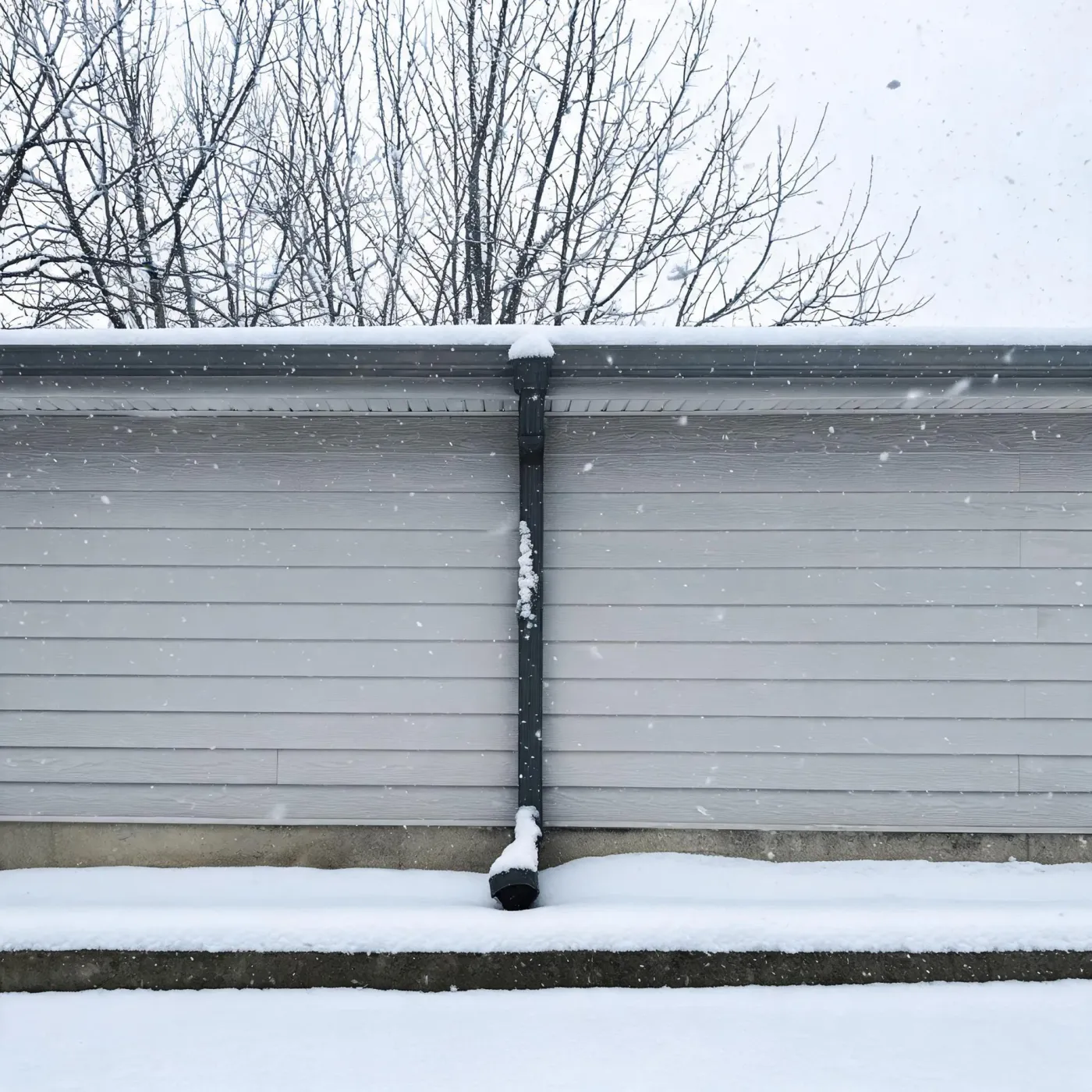
Exterior wall of a building with light gray horizontal siding and a dark downspout running to the ground, with snow on the roofline, steps, and ground, and bare trees behind during falling snow.

Winter nights in Massachusetts average 21°F statewide, according to NOAA. That's the stretch where a furnace with weak airflow gets found out. On a mild night, warm air that's lost some heat to a dirty filter or a tired blower might still take the chill off a room. At 21°F, the house loses heat faster than a half-working furnace can replace it, even with the burner running nearly nonstop. You'll feel it as a house that never quite gets comfortable no matter how long the furnace runs, and as rooms farthest from the furnace staying noticeably colder than the one with the thermostat in it.

NOAA nClimDiv 1991-2020 county normals weighted by homes

A gray high-efficiency furnace with two PVC vent pipes stands in an unfinished basement beside sheet-metal ductwork, a framed and plastic-covered wall, and a bare concrete wall with vertical pipes.
Air moving across the heat exchanger comes off the register hot, and the ductwork carries it to every room without a fight.
A gray furnace cabinet in a basement, connected to galvanized sheet-metal ductwork and white PVC pipes, against a concrete wall with exposed metal piping and insulation overhead.
Weak airflow or a strained part means the burner runs and runs while the air leaving the vents stays lukewarm.
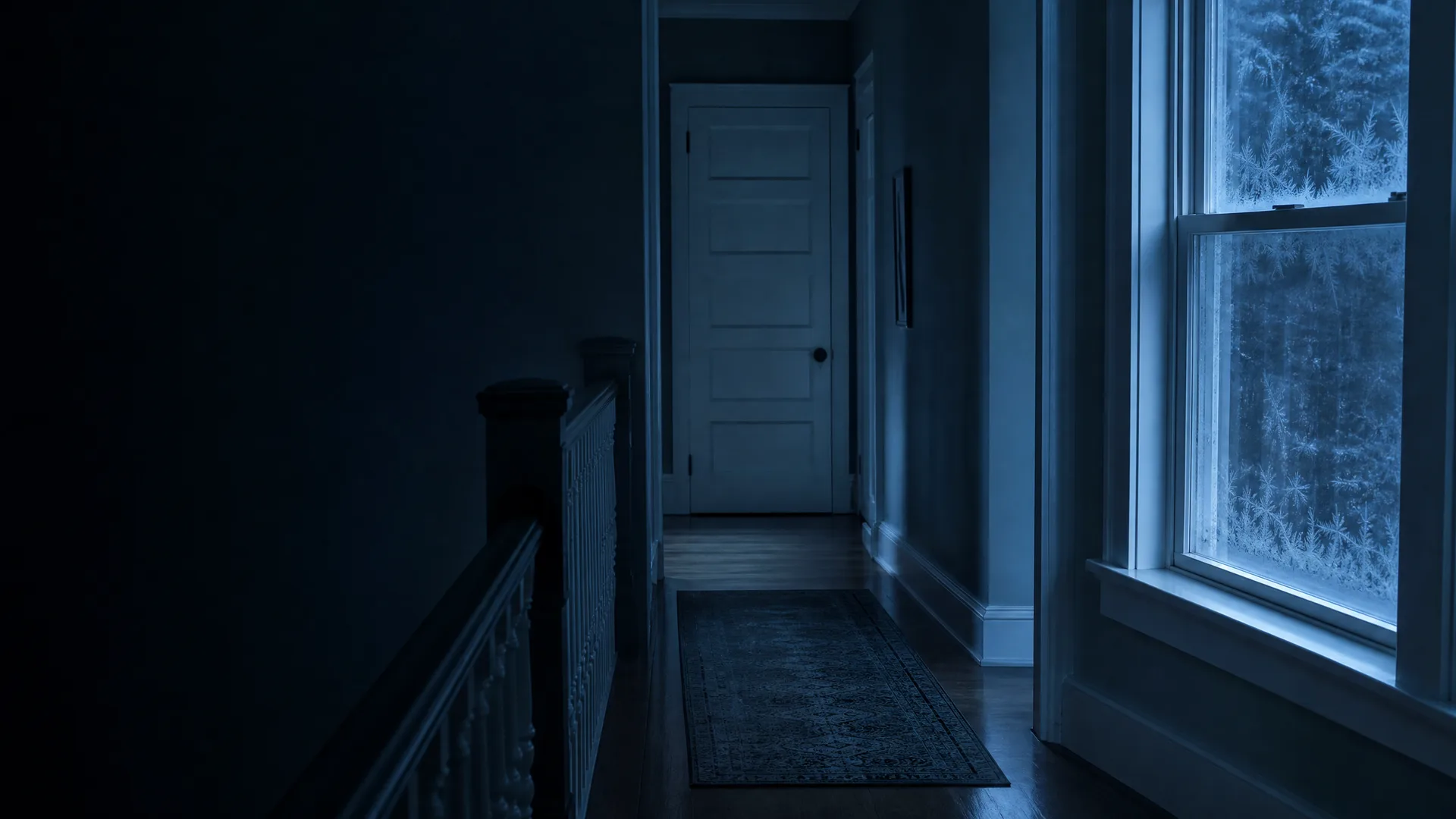
Dimly lit interior hallway at night with a closed white paneled door at the end, a long runner rug on a wood floor, a stair railing at left, and a frost-covered window admitting blue light at right.

The hallway floor is cold under your feet. It's past two, and you woke up pulling the blanket higher without knowing why. Outside the window the frost has crept in from the corners, and the glass feels like it belongs to the weather, not the house. You put your hand near the vent at the end of the hall and nothing moves against your palm, no warmth, barely air. Downstairs the furnace is still running, you can hear it through the floor. It's been on for a while now. The thermostat reads lower than you set it. You stand there a second longer, then head back to bed and pull the comforter from the other room.

Winter nights average 21°F statewide

At 21°F, a furnace with good airflow still catches up between cycles. One losing heat to a dirty filter or a tired blower motor won't, and that's the gap you feel standing at the vent.

NOAA nClimDiv 1991-2020 county normals weighted by homes

A smiling bearded man in a navy crewneck sweater sits at a dinner table with a glass of red wine, plates and glasses in the foreground, in a dimly lit room with a lamp and framed picture behind him.
A woman in a dark gray sweater reclines on a light sofa with eyes closed and a slight smile, under a textured gray blanket with an open book resting on her lap, with a lit table lamp and plant in the background.
A closed silver laptop and a ceramic mug of dark coffee sit on a wooden table in front of two chair backs, with a kitchen counter, tiled backsplash, wooden cutting boards, a vase of greenery and a potted plant by a window behind.

Your furnace runs. Your house doesn't warm up.

A furnace on all day without warming the house usually means air isn't picking up enough heat before it leaves the vents, or the house is losing it faster than the furnace can replace it. A filter, a blower motor, a duct, or something further into the system. Someone who works on furnaces in Massachusetts all winter can look at your unit and tell you which.

That's the part a homeowner can't do from a hand at the vent. You could spend an evening calling furnace companies, describing the same cold bedrooms and long burner cycles to each one, then sorting through quotes to figure out who actually knows the equipment. Or you could have one local contractor come look at it once, and go from there.

A gray upholstered sofa with a matching cushion sits beside a potted plant and a wooden table holding a small green plant in a stone pot, near a curtained window.
A covered porch with a wood front door with six upper glass panes, a lantern wall sconce, tapered column on a stone base, potted ferns and flowers, a woven doormat, and wide steps leading to a paver walkway bordered by shrubs and white hydrangeas.
A beige upholstered sofa with a cream cushion and chunky knit throw sits beside a white-framed window, with a leafy potted plant in a stone vase against a tan wall.
Sunlit corner of a room with a linen curtain beside a window, built-in shelves holding ceramic vases, wooden bowls, a potted green plant, stacked books and a woven basket, above a textured rug.
A dark wood three-drawer dresser against a pale wall holds a tall ceramic vase with leafy branches, stacked books and a shallow bowl, with a framed print above, a woven basket on the wood floor at left, and an upholstered sofa with a green pillow in the foreground.
A cream upholstered sofa with a textured ivory cushion and a rust-colored cushion sits beside a window with sheer linen curtains, with a potted leafy plant behind it and a wooden bowl on a wood table in the foreground.

No phone calls to make

Your request stays with one local pro.

Skip the search

You only hire the pro if you want to.